If you’ve ever sipped a matcha latte for its antioxidant boost, used a natural skincare serum with chamomile extract to calm irritation, or reached for a ginger supplement to ease upset stomachs, you’ve reaped the benefits of plant extract production. For the past seven years, I’ve run a small-scale plant extract supplier out of the Pacific Northwest, where we partner with family-owned farms to source everything from Oregon grape root to Pacific rosehips. What outsiders see as a straightforward process—pulling active compounds from plants, drying them into powders or liquid tinctures—hides a mess of technical, agricultural, and regulatory challenges that derail even the most well-laid plans. Last quarter, our team spent 12 weeks troubleshooting a batch of echinacea extract that failed purity tests, delaying a key client’s product launch by three weeks and eating into our quarterly profit. That’s just one example of how unforgiving this industry is, and why navigating these challenges is make-or-break for suppliers like me. Plant Extract

The first, and arguably most foundational, challenge sits right at the source: raw material inconsistency. Plants are living organisms, not standardized factory inputs. Two batches of the same herb grown in adjacent fields on the same farm can have wildly different active compound profiles based on a dozen factors: soil pH, rainfall amounts, sunlight exposure, harvest timing, and even the specific cultivar. For echinacea, for instance, the concentration of alkylamides—the compounds linked to immune support—varies dramatically depending on whether you harvest the aerial parts (leaves and stems) or the roots, and the growth stage of the plant at harvest. Last year, our contract farmer in southern Oregon had an unseasonably dry summer that cut echinacea root yields by 28% and lowered alkylamide levels by 15% compared to our baseline standard. We tried adjusting our extraction process to compensate, but that led to a secondary issue: higher levels of unwanted plant fiber and waxes that muddied the final extract. For a supplement brand that advertises 4% alkylamides on their label, a 1% deviation isn’t just a minor quality blip—it’s a breach of trust with their customers, and a problem we have to own. Many smallholder farms, which are common partners for niche extract suppliers, lack the resources to do consistent soil testing or track precise harvest timelines, so we end up investing in pre-harvest consultations, soil amendments, and on-site harvest supervision just to keep material quality steady. That’s an extra cost most people don’t see, and it’s one that puts pressure on our pricing when we can’t perfectly lock in raw material composition.
Next up is extraction efficiency and purity, the technical backbone of plant extract production. The goal is to pull only the desired active compounds while leaving behind inert or harmful plant components, and to do it without degrading the fragile molecules that make the extract valuable. There are three main extraction methods we use: solvent-based extraction (typically food-grade ethanol or water), supercritical CO2 extraction, and cold pressing, each with its own tradeoffs. Solvent-based is the cheapest and most scalable, but residual solvent can linger if not filtered properly—another challenge we faced with that echinacea batch: a small leak in our distillation equipment led to trace amounts of ethanol in the final product, which even at levels below FDA limits, is a red flag for clients who market to vegan or clean-living consumers. Supercritical CO2 is cleaner, no residual solvent, but it’s capital-intensive; a full-scale system costs hundreds of thousands of dollars, out of reach for most mid-sized suppliers like us. Even with cold pressing, often used for citrus and seed extracts, oxidation is a constant threat—if the process takes too long or temperatures get too high, the extract goes rancid before we can bottle it. We’ve lost three batches of rosehip extract in the past two years to oxidation, a reminder that even small variables in processing conditions can sink an entire batch.
Then there’s the regulatory maze, which feels like a moving target in the U.S. (and even more so in international markets). As a supplier, we have to comply with multiple agencies: the FDA for dietary supplement ingredients, the USDA for organic certifications, and state-level agricultural laws for labeling. The problem is that many plant extracts are not classified as drugs, so there’s no standardized set of purity standards across the board. For example, the FDA doesn’t require a specific level of curcumin in turmeric extract, so two suppliers could sell turmeric extract with 5% curcumin and another with 95% curcumin, and there’s no federal mandate stating which is “correct.” That lack of standardization puts the onus on us to verify every batch’s potency through third-party testing, which adds another $500 to $1,500 per batch in lab fees—costs that get passed along, but also mean we have to turn away small clients who can’t absorb those testing costs. Internationally, it’s even trickier. We recently tried to expand to a European skincare brand that requires EU organic certification, which demands traceability from farm to final product and regular audits. We had to completely revamp our record-keeping system, add on-site auditors to our farm partners, and spend six months updating our documentation to meet their requirements—a process that took way longer than we anticipated and ate into our expansion budget.
Supply chain volatility adds another layer of stress. Just last year, a wildfire season in California destroyed 18% of the state’s chamomile crop, sending our raw material costs up 42% overnight. We had to scramble to source chamomile from farms in Chile and Hungary, but the shipping delays cut our lead times from four weeks to 12 weeks, and the new material had different potency levels that required re-adjusting our extraction parameters. For clients who operate on just-in-time inventory, a 12-week lead time is a death sentence for their operations. Weather events, trade tariffs, and even labor shortages on farms or at processing facilities can throw everything off. We used to maintain a three-month buffer of raw materials, but skyrocketing storage costs for organic herbs—many of which require temperature-controlled warehouses—have forced us to cut that buffer down to one month, making us far more vulnerable to disruptions.
Sustainability is often framed as a buzzword in the plant extract industry, but it’s a real challenge that’s tied to both our bottom line and our long-term viability. As a supplier, we’re not just selling a product—we’re responsible for the impact our operations have on the environment and the communities we partner with. Overharvesting of wild plants, for example, is a growing crisis. Species like goldenseal and black cohosh, both popular in herbal supplements, have seen wild populations decline by 30% over the past decade due to unregulated harvesting. Last year, we stopped sourcing wild goldenseal entirely after learning that our previous supplier was contributing to wild population depletion, but switching to cultivated goldenseal meant we had to pay a 25% premium for material that met our quality standards, and we had to invest in training for our new farm partners on sustainable harvesting practices. For many small suppliers, balancing demand for plant extracts with conservation isn’t just a nice-to-have—it’s a necessity to keep the plants growing for future generations. But it’s also a challenge that requires constant adaptation: we recently invested in a closed-loop water system for our extraction facility to cut our water use by 40%, but that required retrofitting our entire processing space, a six-month project that delayed our ability to take on new clients.
After seven years in this business, I’ve learned that the biggest challenge isn’t any single technical or regulatory hurdle—it’s the constant balance between quality, cost, and reliability. Last month, we got a call from a leading supplement brand that wanted to switch all their echinacea extract to our supply, but they also wanted a 10% price cut and a two-week lead time. We had to explain that hitting both those requirements would mean cutting corners on testing or rushing harvests, which would risk the quality they depend on. It’s a conversation we have almost every week. For clients who see plant extracts as a commodity, they often don’t understand the work that goes into delivering a consistent, safe, effective product. For suppliers like me, it means we have to be transparent about our challenges, communicate clearly about lead times and quality standards, and never compromise on the integrity of our products.
That said, these challenges aren’t insurmountable. Over the past few years, we’ve partnered with local universities to develop better cultivar standards for our herbs, invested in mid-tier extraction equipment that balances cost and quality, and built relationships with two backup farms for every raw material we source. We still have setbacks, of course—last week, a batch of ashwagandha extract failed heavy metal testing, a result of accidental soil contamination from a nearby construction site, and we had to rework the entire batch at our own cost. But those setbacks have taught us to be more agile, more transparent, and more committed to our clients than ever.
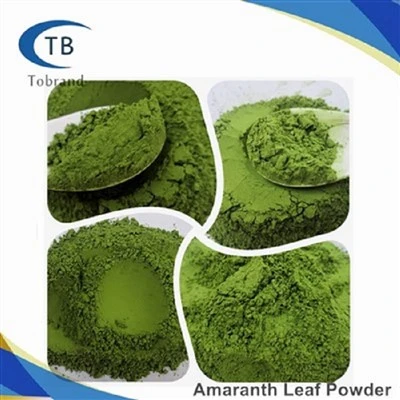
If you’re a brand owner looking for a plant extract supplier that prioritizes quality, transparency, and consistency, we’d love to sit down and talk through your needs. We understand that your product’s success hinges on the ingredients you use, and we’re here to help navigate the challenges of plant extract production together, no matter what hurdles come our way.
Sports Supplements References
- World Health Organization. (2019). Quality control methods for medicinal plant materials. WHO Press.
- National Center for Complementary and Integrative Health. (2022). Natural products: Understanding the risks and benefits. U.S. Department of Health and Human Services.
- Food and Drug Administration. (2021). Dietary supplement current good manufacturing practice (cGMP) final rule. Federal Register.
- International Organization for Standardization. (2020). ISO 22000: Food safety management systems. ISO.
Xi’an Tobrand Group Inc.
As one of the most professional plant extract manufacturers and suppliers in China, we offer a wide range of products with superior quality. Please feel free to buy the best plant extract for sale here from our factory. Good service and reasonable price are available.
Address: Furong New World Building 2 Room 1502, Furong West Road, Yanta District, Xi’an, Shaanxi, China
E-mail: info@tobrandcn.com
WebSite: https://www.to-brandcn.com/
