Hey there, I’m Jake, part of the team at our gas steam boiler supply company, and I’ve spent the last 8 years helping facilities get their boiler systems running smoother, last longer, and waste less cash. If you’re dealing with a gas steam boiler, odds are you’ve thought about the piping system more than once—maybe you’re chasing lower fuel bills, or tired of unexpected breakdowns that throw production off. Let’s cut the jargon and talk about how to optimize that piping, because trust me, a lot of guys I work with are missing simple fixes that make a huge difference. Gas Steam Boiler
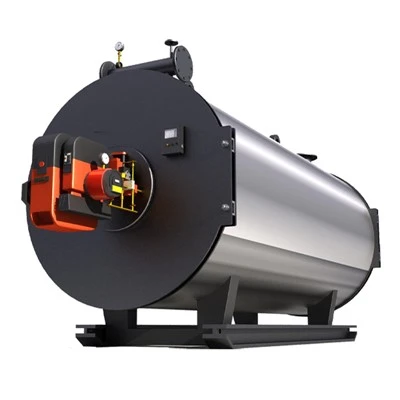
First off, let’s get real: the piping system isn’t just a bunch of pipes connecting the boiler to the load. It’s the circulatory system of your entire operation. If there’s a clog, a leak, or a kink slowing things down, your boiler’s working way harder than it needs to. I’ve seen a 500 HP boiler burn 15% more gas just because someone skipped checking a couple of low-hanging piping issues. No cap.
Let’s start with the basics: pipe sizing. This is the thing I see most messed up, especially in older systems. A lot of contractors size pipes based on what was there 20 years ago, not accounting for today’s higher steam demand, or even new boilers that’re more efficient but have different flow rates. If pipes are too small, you get what’s called “steam velocity that’s too high.” What does that mean in plain English? Water droplets get swept along with the steam, causing water hammer (that loud, banging noise you hear late at night that makes the maintenance guy flip out) and increasing friction loss. Friction loss is like pushing a shopping cart through mud—your boiler has to work harder to push steam through skinny pipes, wasting fuel. On the flip side, pipes that are way too big are just a waste of money to install and hold more standing water, which cools down and has to be reheated. I always tell clients: get a load calculation done by someone who knows gas steam boilers, not a guy who guesses. It’ll pay for itself in 6 months.
Next up, insulation. I know, I know—everyone says insulate, but most people do it wrong. It’s not just slapping some fiberglass on the pipes. First, what kind of insulation are you using? For high-temperature steam lines (boiler steam is usually 100 PSI or higher, so temps over 338°F), fiberglass might not cut it—you need something like calcium silicate or mineral wool that can handle the heat without breaking down. Also, are you sealing the joints? A lot of guys skip that, but gaps in insulation let a ton of heat escape. I once visited a food processing plant where their steam line running from the boiler to the processing floor had 2 feet of insulation on straight runs, but the elbows had nothing. They were losing 12% of their steam heat right there. Also, don’t forget the condensate return lines—those often get overlooked, but if they’re cold, you’re reheating water that already did its job, wasting fuel. And make sure the insulation is covered with a weatherproof jacket if it’s exposed; rain or snow can get in and make the insulation useless. That’s a quick, cheap fix that pays back fast.
Then there’s pipe routing. I get it, sometimes you have to run pipes around beams or equipment, but every turn, dip, or uneven slope creates friction loss and traps condensate. Condensate is the water that forms when steam cools, right? If it’s not draining properly, it sits in the pipes, builds up, and can get carried back into the boiler—water hammer again, or even damage the boiler itself. So pipes need to be sloped correctly: 1/4 inch per 10 feet, towards the condensate return line. That way gravity does the work, not the pump. And avoid sharp 90-degree turns whenever possible—use long-radius elbows instead. A sharp elbow can add as much friction as 10 feet of straight pipe. I’ve seen guys hack pipes to make tight turns, and it’s like putting a kink in a garden hose. Try it next time you’re watering the lawn—you’ll see the flow drop instantly.
Now, let’s talk about traps and valves. These are the unsung heroes of the piping system. Steam traps are what get rid of condensate without letting steam escape. If your traps are old, or not sized right, they’ll either leak steam (wasting fuel) or hold condensate (causing water hammer). I recommend testing traps once a quarter—don’t just assume they’re working. A lot of facilities wait until there’s a problem, but by then you’ve already lost thousands in gas. Also, use the right valves. Globe valves are good for regulating flow, but gate valves are better for full open or full closed—using a globe valve as a stop valve wastes energy. And get rid of any unnecessary valves in the steam lines. Every valve is a potential leak point and adds friction. If you don’t need a valve there, remove it.
Wait, let’s not forget about the condensate return system itself. The piping for condensate is just as important as the steam side. If condensate is pumped back to the boiler at the right temperature, you save a ton on makeup water and heating that water. If you’re losing condensate (leaks, bad traps), you’re not just wasting water—you’re wasting the energy it took to turn that water into steam. I’ve had clients where condensate loss was 20%, and that’s pure profit going out the drain. Also, check the pressure in the condensate return line. If it’s too high, it can force water back into the steam lines. Too low, and you’re not getting enough condensate back. A pressure reducing valve on the condensate return line is worth every penny.
Oh, and I can’t skip about water hammer—we touched on it, but it’s a big one. Water hammer isn’t just annoying; it can rupture pipes, damage the boiler, and even cause accidents. Most of the time, it’s from trapped condensate, or high steam velocity from undersized pipes, or bad traps. Fixing that piping slope I mentioned earlier, upgrading traps, and sizing pipes right will eliminate 90% of water hammer issues. I had a client a while back who was ready to replace 3 pipes because of water hammer, but we just fixed the slope to the condensate return, replaced 2 bad traps, and the banging was gone. Saved them $10k in replacement costs.
Another thing: check for leaks. I know, leaks seem obvious, but small leaks add up fast. A pinhole leak on a steam pipe can waste 500 gallons of condensate a day, which is like pouring money down the drain. Do a monthly leak check—walk the piping lines with a thermal camera if you can, or just listen for hissing. For smaller facilities, you can even do a pressure test after hours, when demand is low, to spot hidden leaks. I’ve seen guys find leaks that were so small you could barely hear them, but adding up to $10k a year in gas and water costs.
Wait, what about modern upgrades? If your boiler is older (like 15+ years), replacing the old cast iron or steel piping with newer, smoother carbon steel or even copper can reduce friction loss. Smoother pipes mean less resistance, so steam flows better, and the boiler uses less gas. Also, adding a variable speed drive (VSD) to your condensate return pump can match the pump speed to your actual demand, instead of running at full speed 24/7. That’s a big energy saver. I installed a VSD on a small food plant’s return pump last year, and their pump energy use dropped 35%—that’s extra profit every month.

Let me wrap this up with a few quick do’s and don’ts to keep this real. Do get a professional to audit your piping system at least once a year. Don’t skip trap maintenance. Do use the right pipe size and insulation for your load. Don’t ignore that banging noise— it’s a sign something’s wrong. And don’t try to cut corners on materials here; cheap pipes or insulation will cost you more in the long run.
Condensing Steam Boiler If you’re tired of your gas steam boiler wasting energy, breaking down, or costing you more than it should, reach out. Our team can help you audit your piping system, recommend the right upgrades, and make sure your system runs as efficient as possible. We’re not just here to sell boilers—we’re here to make sure your whole system works for you, not against you.
References
- Gas Technology Institute. (2020). Optimal Piping Design for Commercial and Industrial Gas Steam Systems. GTI Energy Research Report Series.
- American Society of Heating, Refrigerating and Air-Conditioning Engineers (ASHRAE). (2022). Chapter 12: Piping Systems for Boilers and Steam Systems. ASHRAE Handbook: HVAC Systems and Equipment.
- Energy Star. (2021). Industrial Boiler Optimization Guide: Piping and Distribution System Best Practices. U.S. Environmental Protection Agency.
- Hydronics Heating and Cooling Association (HHCA). (2019). Steam Piping Sizing and Maintenance Manual for Industrial Applications. HHCA Technical Publication.
- International Code Council (ICC). (2020). International Mechanical Code: Requirements for Steam Boiler Piping and Ancillary Components. ICC Code Compliance Publication.
Xinxiang Huayuan Container Equipment Co., Ltd.
With abundant experience, we are one of the most reliable gas steam boiler manufacturers and suppliers in China. We warmly welcome you to buy durable gas steam boiler made in China here from our factory. If you have any enquiry about cooperation, please feel free to email us.
Address: No.2, South Road, Industrial Cluster Zone, Genghuang Township, Fengquan District, Xinxiang City, Henan Province
E-mail: cncd527@gmail.com
WebSite: https://www.huayuanequipment.com/
