Hey everyone, it’s Jake here, and if you’ve ever ordered a niche specialty book—think that out-of-print hiking guide to Patagonia’s lesser-known trails, the vintage science zine on 1970s alien communications, or the limited run indie poetry collection from a small press—you might’ve wondered, “how the hell do these books even get to me? They’re not like the bestsellers you see at Target or Amazon.” As someone who’s been in the specialty book supply game for the past 8 years—we’re a small, family-run supplier that works with independent presses and rare book sellers across North America—I’ve seen the behind-the-scenes chaos and cleverness that goes into getting these books into your hands. It’s not as straightforward as you’d think, especially when you’re dealing with titles that don’t have the mass marketing budget of a John Grisham or Colleen Hoover novel. Specialty Books

Let’s start with the very first step: before a book even hits our warehouse, there’s the press’s side. Most specialty publishers aren’t big like Penguin Random House—they’re often 1 to 10 people, working out of home offices or small storefronts, focusing on a narrow topic. A lot of them don’t have their own distribution teams, right? So that’s where suppliers like us come in. When a new specialty book is printed—say, a limited run of 1,200 copies of a guide to vintage typewriter repair—they’ll reach out to us because we know how to move books that don’t have built-in mainstream demand. We’ll first do a tiny vetting: is this title actually going to sell? Not just to us, but to the specific communities that care about it. For that typewriter book, we’re not looking at how it’ll do in a big-box store—we’re looking at how many independent bookstores in typewriter enthusiast hubs (like Portland, OR, or Brooklyn, NY) will order it, how many rare book dealers will stock it, and even how many online niche retailers (like those that sell vintage office supplies) might want to carry it too. That’s the first big difference between specialty book distribution and regular book distribution: it’s all about niche networks, not wide audiences.
Once we agree to take on the book, the next step is warehousing and inventory management—and this is where most people don’t realize how much work goes on. Unlike big publishers that just stack pallets of books in giant warehouses, we don’t have space to store thousands of copies of every title. For that typewriter guide, we’ll order a print run of 1,200, but we only keep 200 copies in our main warehouse in Ohio. The rest get stored in a third-party warehouse in Pennsylvania that specializes in small-press inventory—they handle fulfillment for titles that move slower, so we don’t have to tie up our cash in storage for books that’ll take months to sell. We also track inventory way more granularly than big publishers. If someone orders one copy of that typewriter book from a bookstore in Austin, we don’t just pull it from the nearest stock—we log exactly where that copy was printed, when it left the press, and which warehouse it’s in, because for specialty books, collectors often care about first editions or early print runs. That level of detail isn’t standard for mass market books, where a copy is a copy is a copy.
Then comes the part that’s most visible to the sellers: getting the book to retailers, both physical and online. For independent bookstores—our biggest customers, by the way—we work with small, local freight carriers that specialize in delivering to independent shops. We don’t use UPS Ground for a pallet of 50 books to a store in Des Moines; we use a regional carrier that knows how to handle fragile inventory and can drop off pallets inside the store, not just at the loading dock like big carriers do. For online niche retailers—like the ones that sell rare gardening books or LGBTQ+ memoirs—we use fulfillment services that can pack single copies or small orders and ship directly to customers, but again, not the same as Amazon’s warehouses. We partner with these smaller fulfillment places because they understand that specialty books often need extra care: no stacking heavy boxes on top of a limited-run art book, for example. Last year, we had an art book about mid-century quilt designs that had foil stamping on the cover—Amazon’s fulfillment center would’ve probably scuffed half the copies by stacking them wrong, so we switched to a small, women-owned fulfillment company in Detroit that only handles specialty items. It cost us a tiny bit more, but our customers got way better quality when their books arrived.
Here’s a part that a lot of suppliers don’t talk about: community curation. For specialty books, distribution isn’t just moving boxes—it’s matching the right book to the right group. Last year, we worked with a small press in Vermont that printed a book about foraging for wild mushrooms in the Northeast. Instead of just sending copies to every bookstore, we partnered with mushroom foraging clubs across New England, independent outdoor shops, and even cooking schools that teach foraging classes. We didn’t just do a mass email—we sent a sample copy to the leader of the New England Mushroom Society, who wrote a blurb for the book’s back cover. That blurb, and our direct outreach to those communities, led to 3 times more orders than if we’d just listed the book on a big wholesale platform like IngramSpark. That’s the secret sauce of specialty distribution: it’s not about volume, it’s about connecting with the exact people who will actually care about the book, not just anyone who might pick it up by accident.
Of course, there are hurdles. The biggest one right now is supply chain delays, same as everyone else, but for specialty books, delays hit way harder. If a regular bestseller is 2 weeks late to a bookstore, they can still shelve it and wait—if a limited-run book about, say, the 1990s riot grrrl zine scene is 2 months late, the print run might sell out before it even arrives, and then we have to rush a second print, which is more expensive. We’ve started working with presses to do smaller, more frequent print runs instead of big bulk orders, which cuts down on storage costs and means we can respond faster when a title takes off. Another hurdle is digital distribution? Wait, no—wait, specialty books are often print-first, but a lot of sellers want digital copies too, but not the big e-book platforms like Kindle Direct. We work with small e-book distributors that focus on niche content, so we can get e-book copies of our specialty titles into the hands of independent libraries and online readers who don’t want to use Amazon. Big e-book platforms have so many bestsellers that specialty titles get buried, so small distributors help them stand out.
Let’s talk about the customer end, too, because that’s why we do all this. A few months ago, we got an email from a guy in Seattle who was looking for a 1987 out-of-print book about vintage skate parks in the Pacific Northwest. He’d searched every big online bookstore, checked AbeBooks, even hit up local rare book dealers, but no one had it. We had a copy stored in our Pennsylvania warehouse, pulled it, packed it carefully (it had a creased spine, so we wrapped it in extra bubble wrap), and shipped it to him in 3 days. He wrote back to say it was the only copy he’d ever find, and it meant the world because he was restoring an old skate park with his friends. That’s why specialty distribution matters—we’re not moving products, we’re connecting people with things they can’t get anywhere else. Regular book distribution is about making sure everyone can buy the same book; specialty distribution is about making sure the right person can find the one book that’s perfect for them.
Wait, I should also clarify what “specialty books” actually mean to us, because some people think it’s just rare books, but it’s not. It’s any book that’s not distributed to mass market channels. That could be a mass market book about a super niche topic, like a guide to brewing kombucha for beginners in rural areas—because it doesn’t fit the big-box store’s “healthy living” category, so it has to go through specialty distributors. Or it could be a limited-run poetry collection from a small press, printed in 500 copies, only sold in independent bookstores and poetry readings. We work with both kinds—out-of-print rare books and new niche titles—because that’s where the heart of specialty publishing is.
Let me wrap this up, because I know I’m rambling a little, but this stuff is important to me. Specialty book distribution isn’t some fancy, automated process like what big publishers use. It’s personal. It’s knowing the leader of the mushroom foraging club in Massachusetts, picking the right small fulfillment company that won’t scuff foil covers, staying up late to track a single rare book for a customer in Seattle. It’s about caring more about the community that loves these books than making a quick buck on volume.
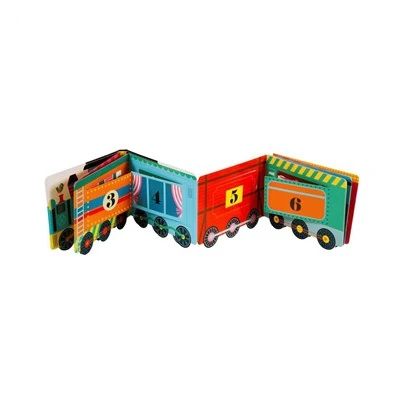
If you’re a bookstore owner looking to stock unique titles that your customers can’t find on Amazon, or if you’re a business or organization that works with niche audiences and wants to order custom or limited-run specialty books, hit us up. We don’t do big corporate pitches—just send us an email, tell us what you need, and we’ll work with you to get the right books to you, no hassle.
Educational Puzzles REFERENCES:
- American Booksellers Association. (2023). Specialty Book Distribution: Navigating Niche Markets for Small Presses.
- Publisher’s Weekly. (2022). The Hidden Work of Small-Batch Book Distribution in the U.S.
- National Book Network. (2021). Warehousing and Fulfillment for Niche Book Titles.
NINGBO LOTO PACKAGE MANUFACTORY CO.,LTD
Ningbo Sentu Art and Crafts Co., Ltd. is one of the most professional specialty books manufacturers and suppliers in China. With abundant experience, we warmly welcome you to buy high quality specialty books made in China here from our factory. If you have any enquiry about cooperation, please feel free to email us.
Address: 3rd Floor, Momi Community, New Jinfeng, No. 68, Chunchao Road, Yinzhou District, Ningbo City, Zhejiang Province, Ningbo, Zhejiang, China
E-mail: sales@nbprinting.com
WebSite: https://www.lotopuzzle.net/
