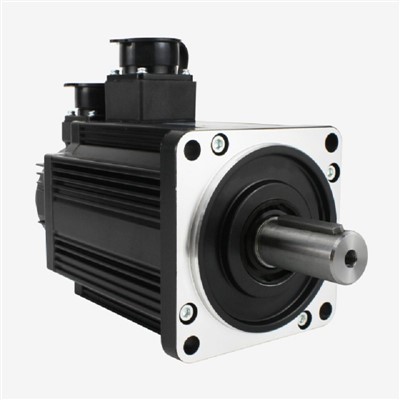
Yo, what’s up! I’m a supplier in the brushless motor game, and today I wanna chat about how to operate a sensorless brushless motor. It might sound a bit technical at first, but trust me, it’s not as complicated as it seems. Brushless Motor
What’s a Sensorless Brushless Motor?
First off, let’s quickly go over what a sensorless brushless motor is. Unlike traditional motors with brushes that make contact to transfer power, brushless motors use electronic commutation. And the "sensorless" part means there aren’t any physical sensors to tell the motor’s control system where the rotor is. Instead, it relies on back electromotive force (back EMF) to figure out the rotor’s position.
Why Use a Sensorless Brushless Motor?
There are a bunch of reasons why you might want to go for a sensorless brushless motor. For one, they’re more reliable. Without those sensors, there’s less that can go wrong. They’re also more efficient, which means you can get more power out of them while using less energy. And they tend to have a longer lifespan, so you won’t have to replace them as often. Plus, they’re smaller and lighter, which is great for applications where space and weight are a concern.
Getting Started
Before you start operating a sensorless brushless motor, you need to make sure you have all the right stuff. You’ll need a power source, a motor controller, and of course, the motor itself. The power source should be able to provide the right voltage and current for your motor. The motor controller is what’s going to tell the motor when to spin and how fast.
Wiring It Up
Once you’ve got all your components, it’s time to wire them up. This is where things can get a little tricky, but don’t worry, I’ll walk you through it. First, connect the power source to the motor controller. Make sure you get the polarity right, or you could damage your equipment. Then, connect the motor to the motor controller. There are usually three wires coming out of the motor, and you’ll need to connect them to the corresponding terminals on the controller. It’s a good idea to double-check your connections before you power everything on.
Initial Setup
After you’ve wired everything up, it’s time to do some initial setup. Most motor controllers have a programming mode where you can set things like the maximum speed, acceleration, and braking. You’ll want to take your time and set these parameters to match your specific application. For example, if you’re using the motor in a high-speed application, you’ll want to set the maximum speed higher. But if you’re using it in a more delicate application, you might want to set it lower.
Starting the Motor
Once you’ve done your initial setup, it’s time to start the motor. This is where the sensorless part comes in. Since there aren’t any sensors to tell the motor’s control system where the rotor is, it has to use a technique called "open-loop startup." This means that the controller sends a series of pulses to the motor to get it spinning. Once the motor is spinning fast enough, the controller can start using the back EMF to figure out the rotor’s position and switch to "closed-loop control."
Troubleshooting
If your motor isn’t starting or isn’t running smoothly, there are a few things you can check. First, make sure all your connections are tight and secure. Loose connections can cause all sorts of problems. Next, check the power supply. Make sure it’s providing the right voltage and current. If the power supply is too weak, the motor might not start or might run at a lower speed than expected.
Another common problem is incorrect programming. Make sure you’ve set the parameters correctly on your motor controller. If you’re not sure what the right settings are, you can usually find them in the motor’s datasheet or the controller’s user manual.
Maintenance and Care
To keep your sensorless brushless motor running smoothly, you’ll need to do some regular maintenance. This includes things like cleaning the motor, checking the connections, and lubricating the bearings if necessary. You should also keep an eye on the motor’s temperature. If it gets too hot, it could damage the windings or other components.
Applications
Sensorless brushless motors are used in a wide variety of applications, from drones and electric vehicles to industrial machinery and home appliances. They’re great for applications where you need high efficiency, reliability, and precise control. For example, in a drone, a sensorless brushless motor can provide the power and control needed to fly smoothly and accurately. In an electric vehicle, it can help to improve the vehicle’s range and performance.
Conclusion
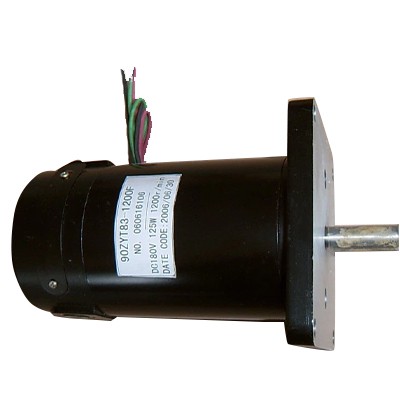
So there you have it, a quick overview of how to operate a sensorless brushless motor. As you can see, it’s not as complicated as it might seem. With the right equipment, a little bit of knowledge, and some patience, you can get your motor up and running in no time.
Switched Reluctance Motor If you’re in the market for a sensorless brushless motor or have any questions about operating one, don’t hesitate to reach out. We’ve got a wide range of high-quality motors and can provide you with all the support and advice you need. Whether you’re a hobbyist or a professional, we’re here to help you get the most out of your motor.
References
- "Brushless DC Motor Handbook"
- "Electric Motor Technology and Applications"
Zibo Auric Mechanical and Electrical Technology Co., Ltd.
As one of the leading brushless motor manufacturers and suppliers in China, we warmly welcome you to buy advanced brushless motor for sale here from our factory. All customized motors are with high quality and competitive price.
Address: B419, High-tech Entrepreneurship Park, High-tech Zone, Zibo City
E-mail: cui@auricmotor.com
WebSite: https://www.auricmotor.com/
