Hey there! I’m a supplier of clay bricks, and I often get asked about how we test the quality of our products. It’s a crucial step in our business because we want to make sure that every brick we sell meets the highest standards. So, let me walk you through the process. Clay Brick

Visual Inspection
The first step in our quality – testing process is a simple visual inspection. We take a good look at each brick right off the production line. I mean, you’d be surprised at what you can spot just by looking. We check for any visible cracks, chips, or warping. A cracked brick is a no – go. It won’t hold up well in a construction project, and it could compromise the whole structure.
Chips are also a problem. Even a small chip can affect the brick’s strength and appearance. And warping? Well, if a brick is warped, it won’t fit properly when it’s being laid. That can lead to uneven walls and a whole host of other issues. So, during this visual check, we sort out any bricks that don’t look right. It’s a basic but super important step.
Compressive Strength Test
Next up is the compressive strength test. This is a biggie. Compressive strength is how much pressure a brick can handle before it breaks. In construction, bricks need to be able to bear a lot of weight, whether it’s from the building itself or from people and things inside.
To conduct this test, we use a special machine. We place a brick in the machine, and then we start applying pressure. The machine gradually increases the pressure until the brick breaks. We record the amount of pressure at the point of failure. This gives us the compressive strength of the brick.
We usually test a sample of bricks from each batch. That way, we can get an accurate idea of the overall quality of the batch. If the compressive strength of the bricks in a batch is lower than our standards, we know there’s a problem, and we won’t sell that batch.
Water Absorption Test
Water absorption is another key factor in brick quality. Bricks that absorb too much water are more likely to crack and deteriorate over time, especially in cold climates where the water can freeze and expand.
To test water absorption, we first weigh a dry brick. Then we soak the brick in water for a specific period, usually 24 hours. After that, we take it out, dry the surface, and weigh it again. The difference in weight between the dry and wet brick tells us how much water the brick has absorbed.
We calculate the water absorption as a percentage of the dry weight of the brick. We have a maximum limit for water absorption, and if a brick exceeds that limit, it doesn’t pass the test. This test helps us ensure that our bricks are durable and can withstand different weather conditions.
Efflorescence Test
Efflorescence is that white, powdery substance that can sometimes appear on the surface of bricks. It’s caused by the migration of salts from inside the brick to the surface. Not only does it look bad, but it can also be a sign of other problems with the brick.
To test for efflorescence, we place the bricks in a controlled environment. We expose them to moisture and then let them dry. After a few days, we check the surface of the bricks for any signs of efflorescence. If we see a lot of it, it means there are too many salts in the brick, and it’s not a good quality product.
Size and Shape Tolerance Test
Bricks need to be of the right size and shape to fit together properly during construction. We use measuring tools to check the dimensions of the bricks. We measure the length, width, and height of each brick and compare it to the standard specifications.
We also check the corners and edges of the bricks. They should be sharp and straight. If a brick is too big or too small, or if the corners are rounded or chipped, it won’t fit well with the other bricks. This can lead to gaps in the wall, which can affect the structural integrity and the appearance of the building.
Soundness Test
The soundness test is used to determine how well a brick can withstand weathering. We subject the bricks to cycles of freezing and thawing. This simulates the real – world conditions that bricks might face in cold climates.
We place the bricks in a freezer for a set period and then let them thaw at room temperature. We repeat this cycle several times. After that, we check the bricks for any signs of damage, such as cracks or spalling. If a brick shows significant damage after the soundness test, it means it won’t be able to withstand the harsh weather conditions, and we won’t sell it.
Chemical Analysis
Sometimes, we also perform a chemical analysis of the bricks. This helps us understand the composition of the clay used to make the bricks. We look for the presence of certain elements and compounds that can affect the quality of the bricks.
For example, if there’s too much iron in the clay, it can cause the bricks to discolor over time. We use specialized equipment to analyze the chemical composition of the bricks. This gives us a better understanding of the properties of the bricks and helps us ensure that they meet our quality standards.
Why These Tests Matter
All these tests are important for several reasons. First of all, they ensure that our bricks are safe and reliable. When a construction company uses our bricks, they need to know that the bricks will hold up over time. Our tests help us guarantee that the bricks can withstand the stresses of construction and the elements.
Secondly, our quality – testing process helps us maintain our reputation. We want to be known as a supplier of high – quality clay bricks. By consistently testing our products, we can ensure that we’re delivering the best possible bricks to our customers.
Finally, it’s a matter of compliance. There are industry standards and regulations that we need to follow. Our testing procedures help us meet these standards and make sure that our bricks are suitable for a wide range of construction projects.
Contact Us for Quality Clay Bricks
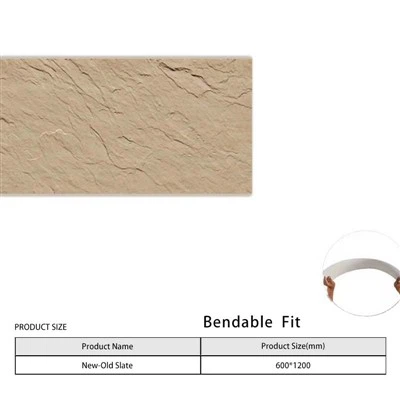
If you’re in the market for high – quality clay bricks, we’d love to hear from you. We’ve put a lot of effort into our quality – testing process, and we’re confident that our bricks are some of the best in the industry. Whether you’re working on a small residential project or a large commercial building, our bricks can meet your needs.
Flexible Stone Get in touch with us to discuss your requirements, and we’ll be happy to provide you with more information about our products and pricing. Let’s work together to make your construction project a success!
References
- ASTM International. Standard Test Methods for Sampling and Testing Brick and Structural Clay Tile.
- British Standards Institution. BS 3921:2006 Specification for Clay Bricks.
- International Building Code. Requirements for Masonry Construction.
Jiangsu Baidai Energy-Saving Building Materials Co., Ltd.
As one of the most professional clay brick manufacturers and suppliers in China for over 20 years, we also support customized service. Please feel free to buy clay brick made in China here and get free sample from our factory. For price consultation, contact us.
Address: NO.37 Standard Workshop, Hailing Industrial Park, Taizhou City, Jiangsu Province, P.R.China
E-mail: Andy@baidai.cn
WebSite: https://www.bdflexiblestone.com/
