Taking good care of stretch fabric is crucial not only for maintaining the quality of the fabric itself but also for ensuring the longevity of the products made from it. As a stretch fabric supplier, I’ve witnessed firsthand the impact that proper care can have on the performance and appearance of our products. In this blog, I’ll share some in – depth insights and practical tips on how to care for stretch fabric. Stretch Fabric
Understanding Stretch Fabric
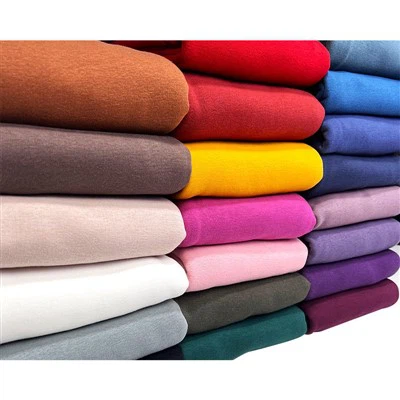
Stretch fabric is known for its elasticity, which is mainly due to the addition of elastic fibers like spandex or elastane to the base fabric. This elasticity gives the fabric flexibility, allowing it to stretch and return to its original shape. Different types of stretch fabrics have various compositions, such as cotton – spandex blends, polyester – spandex blends, and nylon – spandex blends, each with its own unique characteristics.
Cotton – spandex blends are soft, breathable, and comfortable to wear, making them popular for everyday clothing. Polyester – spandex blends, on the other hand, are more durable, resistant to wrinkles and shrinking, and often used in sportswear and swimwear. Nylon – spandex blends are known for their strength, abrasion – resistance, and high – stretch capabilities, commonly used in activewear and lingerie.
Pre – washing Considerations
Before washing your stretch fabric items, it’s essential to read the care label. The care label provides specific instructions on the appropriate washing temperature, recommended detergents, and other special care requirements.
It’s also a good practice to sort your stretch fabric items by color. Dark colors may bleed onto lighter ones during the washing process, so separating them can prevent color transfer. Additionally, check the items for any loose threads, beads, or decorations. You can hand – stitch any loose threads to prevent them from unraveling further during washing.
Washing Techniques
When it comes to washing stretch fabric, gentle is the key. Opt for a delicate or gentle cycle on your washing machine. These cycles use lower agitation, which reduces the stress on the fabric and helps preserve its elasticity.
The water temperature is also an important factor. For most stretch fabrics, cold or lukewarm water (around 30°C or 86°F) is recommended. Hot water can damage the elastic fibers, causing the fabric to lose its stretch and shrink.
Choose a mild detergent that is free of harsh chemicals, such as bleach and fabric softeners. Harsh chemicals can break down the elastic fibers and weaken the fabric. You can look for detergents specifically formulated for delicate fabrics.
If you prefer hand – washing your stretch fabric items, fill a sink or basin with cold or lukewarm water and add a small amount of mild detergent. Gently agitate the water to create a soapy solution, then submerge the fabric and gently swish it around for a few minutes. Avoid wringing or twisting the fabric, as this can distort its shape. Instead, gently squeeze out the excess water.
Drying Process
Proper drying is crucial to maintain the stretch and shape of the fabric. The best way to dry stretch fabric is to air – dry it. Lay the item flat on a clean, dry towel or hang it on a drying rack. Avoid hanging the item by its shoulders or using a clothespin on the fabric, as this can cause stretching.
If you need to use a dryer, select a low – heat or delicate setting. High heat can damage the elastic fibers and cause the fabric to shrink or become misshapen. It’s also a good idea to remove the item from the dryer while it’s still slightly damp and then air – dry it the rest of the way.
Ironing and Pressing
If your stretch fabric item needs to be ironed, use a low – heat setting. Before ironing, test the heat on a small, inconspicuous area of the fabric to make sure it won’t cause damage.
You can place a pressing cloth, such as a thin cotton cloth, between the iron and the fabric. This protects the fabric from direct heat and reduces the risk of melting or scorching the elastic fibers. Gently glide the iron over the fabric, following the grain of the fabric and avoiding pressing too hard.
Storage Tips
Proper storage is another important aspect of caring for stretch fabric. When storing your stretch fabric items, fold them neatly instead of hanging them. Hanging can cause the fabric to stretch over time, especially if the item is heavy.
Store the folded items in a cool, dry place away from direct sunlight. Sunlight can fade the fabric and weaken the elastic fibers. You can use a drawer or a storage bin to keep your items organized.
If you need to store stretch fabric for an extended period, you can place a piece of acid – free tissue paper between the folds to prevent the fabric from sticking together.
General Maintenance and Repair
Regularly inspect your stretch fabric items for any signs of wear and tear, such as stretched seams, holes, or abrasions. If you notice a small hole or a loose seam, you can repair it immediately with a needle and thread. Simple hand – stitching can prevent the damage from getting worse.
For more significant damage, such as a large tear or a damaged elastic band, you may need to take the item to a professional tailor or seamstress. They have the expertise and tools to repair the fabric properly.
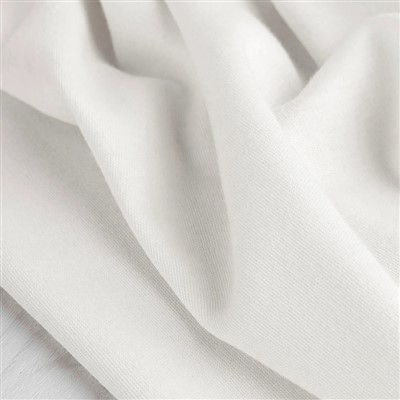
As a stretch fabric supplier, I understand that the quality of our fabric is only as good as how well it’s cared for. By following these care tips, you can ensure that your stretch fabric items remain in excellent condition for a long time.
Knitted Fabric If you’re interested in purchasing high – quality stretch fabric for your clothing line, sportswear brand, or any other project, I invite you to reach out to me for a procurement discussion. We offer a wide range of stretch fabric options, including various blends, colors, and patterns, to meet your specific needs. Let’s work together to bring your creative ideas to life with our top – notch stretch fabric.
References
- Textile Institute. (2018). Handbook of Textile Fibre Structure, Volume 2: Man – Made Fibres. Woodhead Publishing.
- Tortora, P. G., & Merkel, J. K. (2015). Fairchild’s Dictionary of Textiles. Fairchild Books.
- ASTM International. (2020). Standards for Textiles. ASTM International.
Shaoxing Xinlian Dyeing & Weaving Industrial Teade Co., Ltd.
We’re well-known as one of the leading stretch fabric manufacturers and suppliers in China. With a professional production team, we are able to meet the needs of the majority of our customers. Please rest assured to wholesale bulk customized stretch fabric from our factory.
Address: Building 3-2, Huangxian Village, Lanting Subdistrict, Keqiao District, Shaoxing City, Zhejiang Province, China
E-mail: inquiryxinlian@163.com
WebSite: https://www.xinliantextile.com/
