Hey folks, let’s cut the chase – if you’re in the market for a utility vehicle, you’ve probably stared at two options forever: a light truck and an SUV. As someone who’s spent the last 10 years selling light trucks (I’m not here to hype my stuff blindly, promise), I’ve heard every “which is better?” question from small business owners, weekend campers, and suburban parents hauling soccer gear and lumber. Let’s break this down real, no marketing fluff, and compare the two like we’re chatting over a coffee. Light Truck
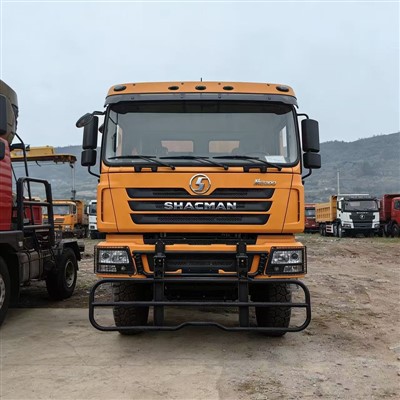
First off, let’s get the basics straight because a lot of people mix these two up. Light trucks (we’re talking 1/2 ton and 3/4 ton, not the big semi rigs) are built on a body-on-frame chassis – think of a metal ladder frame with the cab and cargo bed bolted to it. SUVs, these days most are unitbody, meaning the body and frame are one single piece, like a car. That core design difference is where almost all the other pros and cons come from, not just “one has a bed and one doesn’t.”
Let’s start with the stuff that matters if you’re using a vehicle for work or heavy hauling – payload and towing. That’s where light trucks absolutely dominate. Last quarter, one of our customers, a local landscaping crew, traded their mid-size SUV for our 1/2 ton light truck. They hauled 4 pallets of mulch last month – that’s 5,000 pounds of payload, easy. The same size SUV they had? Its max payload was 1,500 pounds. Towing? Our base light truck can tow 10,000 pounds when properly equipped, no add-ons. A full-size SUV’s max towing is usually 7,000 pounds, sometimes less if it’s got that fancy luxury trim with heavy leather seats and infotainment that add weight to the unitbody. Wait, and let’s not forget if you’re hauling big loads – a light truck’s open bed is way more flexible than an SUV’s enclosed cargo space. Tired of folding down rear seats to fit a 8-foot 2×4? You just tie it down in the truck bed, no mess, no creased upholstery. If you’re a contractor, a landscape pro, or someone who hauls boats, campers, or farm equipment regularly? Light truck wins here, hands down.
But wait, what if you’re just a family that needs to ferry 5 people and a couple of coolers? That’s where SUVs used to be the go-to, but modern light trucks are closing that gap big time. A lot of new light trucks have crew cabs – four full doors, back seats that are actually comfortable for adults, not just kids. I’ve driven one of our crew cab models to a family trip last summer, and the back seat had 3 teens crammed in, no complaints about legroom. The difference in space is the bed, right? If you don’t need the bed all the time, you can get a tonneau cover (a fancy hard or soft cover for the bed) and turn it into a sort of enclosed cargo area – you still have more total space than most mid-size SUVs.
Now let’s talk ride quality and daily driving, because no one wants a vehicle that’s a nightmare to drive to the grocery store. This is where SUVs have a long-held edge, and it’s not just marketing. Unitbody construction means SUVs are lighter, so they handle potholes and city streets smoother, no that stiff, bumpy ride you might associate with older work trucks. Unitbody also means better maneuverability in tight spots – parallel parking? An SUV is way easier to squeeze into a small spot than a light truck, especially a 3/4 ton model. And if you care about gas mileage (even with work vehicles, fuel costs add up), most SUVs get 2-3 more mpg city, 1-2 more highway than a comparable light truck. The last EPA numbers I saw for our 1/2 ton crew cab: 18 mpg highway. A popular full-size SUV? 21 mpg highway. That’s $10-$15 more a week in gas if you drive 1,000 miles, add that up over a year, it’s real money.
Wait, but let’s bust a common myth: “light trucks are louder and rougher on long drives.” Yeah, older work trucks were, but modern ones have way better sound deadening, same as a lot of SUVs. I’ve had customers who drove 6 hours in our truck and said they forgot it was a truck halfway through. The only time you really notice the difference is if you’re pushing the truck hard, towing max weight – then that frame feels more solid than an SUV’s unitbody, which can flex a little under heavy load.
Reliability is another big one, and I’ve seen this first-hand. Light trucks are built for abuse – potholes, overloaded beds, constant stop-and-go for work. Unitbody SUVs, while good, tend to have more issues with the suspension and body over time if you’re using them for heavy hauling. We had a customer who used his SUV to tow a small camper every weekend for 3 years; he ended up replacing the rear suspension twice. A guy who uses our light truck for towing that same camper, same route? He hasn’t had to touch the suspension in 5 years. That frame design is meant to take that stress, so if you’re going to use the vehicle hard, light trucks hold up longer.
What about cost? Let’s be real, price is a huge factor for most buyers. Base models of both light trucks and full-size SUVs start around the same – $35,000 to $40,000. But wait, if you add heavy-duty towing packages, upgraded payload, or off-road kits, the light truck is often cheaper. And resale value? Let’s check – 3-year-old light trucks hold their value about the same as full-size SUVs, actually sometimes a little better if they’re used for work. The big difference is, if you only use your vehicle for commuting and school runs, you’re paying for all that heavy-duty frame you don’t need. That’s like buying a pickup truck with a V8 engine to drive 10 miles a day to the office – you’re paying for features you’ll never use.
Let’s wrap this up with who should get which, because there’s no one-size-fits-all answer. If you’re a small business owner, contractor, farmer, or someone who regularly hauls more than 2,000 pounds of gear, tows a camper, boat, or equipment, needs an open bed for stuff that won’t fit in an SUV, or plans to keep the vehicle for 10+ years and drive it hard? Light truck is the obvious pick. We’ve got customers who switched from SUVs and saved $5,000 on maintenance in the first 2 years alone.
If you’re a suburban family that only hauls a couple of bikes, a cooler, and the kids’ soccer gear, mostly drives around town, cares about that extra mpg and easy parking, and doesn’t need the bed space? SUV is probably the better fit, no shame in that.
At the end of the day, the “best” one isn’t about the name, it’s about how you’re gonna use it. I’ve seen guys buy light trucks and never touch the bed, then complain about the ride – that’s a mismatch. I’ve seen a landscaper buy an SUV and destroy the rear seats trying to haul mulch, that’s a waste.
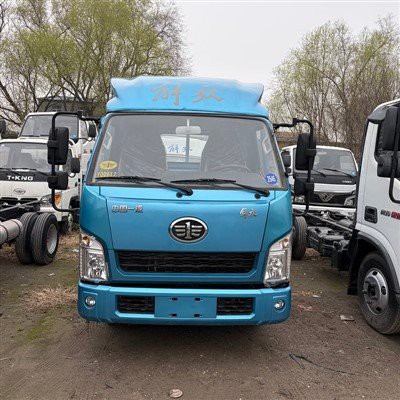
If you’re on the fence, need to test drive both, or have questions about what model fits your specific use – hit us up to connect for a procurement chat. We can walk you through payload numbers, towing specs, even work out custom kits for what you need, no pressure. No sales pitch, just straight answers.
Light Truck References
- U.S. Department of Energy. (2024). Fuel Economy Trends for Light-Duty Vehicles.
- Automotive Research Council. (2023). Chassis Construction and Long-Term Vehicle Reliability.
- Light Truck Manufacturers Association. (2024). Payload and Towing Capability Comparison 2023-2024.
Liangshan Guanyue Auto Trading Co., Ltd.
As one of the leading light truck manufacturers and suppliers in China, we warmly welcome you to buy bulk high quality light truck at low price from our factory. If you have any enquiry about pricelist and quotation, please feel free to email us.
Address: Liangshan County, Jining City, Shandong Province
E-mail: guanyuetruck@gmail.com
WebSite: https://www.gytruck.com/
