In the era of rapid development of electric vehicles (EVs), the role of electric vehicle charging stations has become increasingly prominent. As a supplier of power quality analyzers, I am often asked the question: Can a power quality analyzer measure the power quality of an electric vehicle charging station? In this blog, I will delve into this topic and provide a detailed answer. Power Quality Analyzer
Understanding Power Quality in Electric Vehicle Charging Stations
Power quality refers to the degree to which the voltage, current, and frequency of an electrical power system meet the requirements of the electrical equipment connected to it. In the context of electric vehicle charging stations, good power quality is essential for the efficient and safe operation of charging equipment, as well as the lifespan and performance of electric vehicles.
Several factors can affect the power quality in charging stations. For example, the high – power charging processes of EVs can cause significant fluctuations in voltage and current. Uncontrolled charging, especially during peak hours, may lead to voltage sags, harmonics, and power factor issues. These power quality problems can result in equipment failures, increased energy consumption, and even pose safety risks.
How Power Quality Analyzers Work
A power quality analyzer is a sophisticated device designed to measure, record, and analyze various electrical parameters of a power system. It can capture real – time data on voltage, current, frequency, power, harmonics, and other relevant variables.
Most power quality analyzers use advanced sensors and algorithms to sample electrical signals at high frequencies. They can detect short – term events, such as voltage dips and swells, as well as long – term trends in power quality. The collected data is then processed and presented in an easy – to – understand format, such as graphs and tables, allowing users to identify and diagnose power quality problems quickly.
Measuring Power Quality in Electric Vehicle Charging Stations
Yes, a power quality analyzer can effectively measure the power quality of an electric vehicle charging station. Here are some of the key parameters it can measure:
1. Voltage and Current
The analyzer can measure the RMS (root – mean – square) values of voltage and current at the charging station. Fluctuations in voltage can affect the charging speed and efficiency of EVs. For example, a low – voltage condition may cause the charging process to slow down, while a high – voltage situation can damage the charging equipment and the vehicle’s battery management system. By continuously monitoring the voltage and current, operators can ensure that they remain within the acceptable range.
2. Frequency
The frequency of the electrical power supply is another critical parameter. In most power systems, the standard frequency is 50Hz or 60Hz. Deviations from this standard can disrupt the normal operation of the charging station’s electrical equipment and the EV’s charging system. A power quality analyzer can accurately measure the frequency and alert operators if there are any significant deviations.
3. Harmonics
Harmonics are unwanted frequencies that are multiples of the fundamental frequency. In electric vehicle charging stations, the use of power electronic devices, such as chargers, can generate harmonics. These harmonics can cause overheating of transformers and conductors, interference with communication systems, and inaccurate power metering. A power quality analyzer can measure the harmonic content of the voltage and current waveforms, allowing operators to take appropriate measures to mitigate harmonic problems, such as installing harmonic filters.
4. Power Factor
The power factor is a measure of how effectively electrical power is being used. A low power factor indicates that a significant portion of the electrical energy is being wasted. In charging stations, a poor power factor can lead to increased energy costs for the operator. A power quality analyzer can measure the power factor and provide insights into how to improve it, for example, by using power factor correction equipment.
Benefits of Using Power Quality Analyzers in EV Charging Stations
1. Fault Detection and Prevention
By continuously monitoring power quality parameters, power quality analyzers can detect potential faults in the charging station’s electrical system at an early stage. This allows operators to take preventive measures, such as replacing faulty components or adjusting the charging process, before a major breakdown occurs.
2. Energy Efficiency
Improving power quality can lead to significant energy savings. By identifying and correcting issues such as poor power factor and harmonics, the charging station can operate more efficiently, reducing energy consumption and lowering operating costs.
3. Compliance with Standards
There are various national and international standards for power quality in electrical systems, including those for EV charging stations. Using a power quality analyzer helps operators ensure that their charging stations comply with these standards, avoiding potential legal issues and penalties.
4. Enhanced Customer Experience
Good power quality is crucial for the proper functioning of electric vehicles during the charging process. By maintaining high – quality power, operators can provide a reliable and efficient charging service, which enhances the overall customer experience and encourages the wider adoption of electric vehicles.
Our Power Quality Analyzers for EV Charging Stations
As a power quality analyzer supplier, we offer a range of high – performance products specifically designed for electric vehicle charging stations. Our analyzers are equipped with the latest sensor technology and advanced algorithms, enabling accurate and real – time measurement of all key power quality parameters.
They are also easy to install and operate, with user – friendly interfaces that provide clear and detailed data analysis. In addition, our analyzers can be integrated with existing monitoring and control systems, allowing operators to manage power quality remotely.
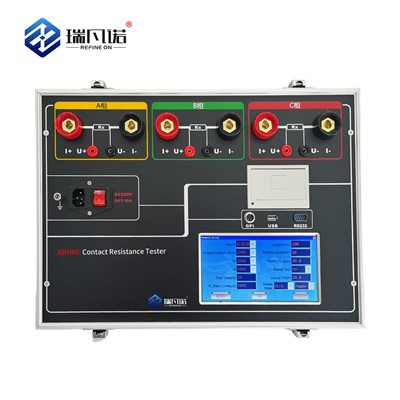
If you are an operator of an electric vehicle charging station, or if you are involved in the design and construction of new charging stations, we believe that our power quality analyzers can be an invaluable tool for you. By using our products, you can ensure the reliable and efficient operation of your charging stations, improve energy efficiency, and provide a better service to your customers.
Contact Us for Purchase and Consultation
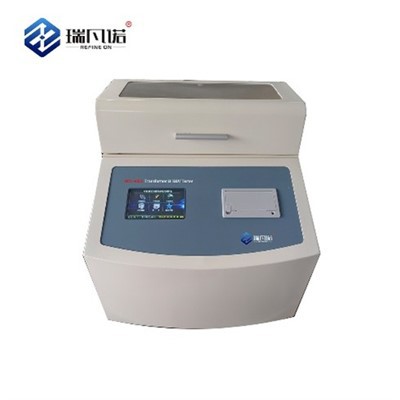
Transformer Oil Tester If you are interested in our power quality analyzers and would like to learn more about how they can meet your specific needs, we encourage you to contact us. Our team of experts is ready to provide you with detailed product information, technical support, and customized solutions. Whether you are looking to purchase a single analyzer or a complete monitoring system for multiple charging stations, we can offer you the best options at competitive prices.
References
- Brown, R. E. (2002). Electric Power Distribution Reliability. Marcel Dekker.
- Dugan, R. C., McGranaghan, M. F., & Beaty, H. W. (2003). Electrical Power Systems Quality. McGraw – Hill.
- IEEE Standard 519 – 2014, IEEE Recommended Practices and Requirements for Harmonic Control in Electrical Power Systems.
Refine On (Hebei) Electric Power Technology Co., Ltd.
Refine On (Hebei) Electric Power Technology Co., Ltd. is one of the most reliable power quality analyzer manufacturers and suppliers in China, also supports customized service. Please feel free to wholesale advanced power quality analyzer at competitive price from our factory. Contact us for quotation.
Address: Building 13, Liandong U Valley, No.64, Jing SAN South Street, Economic Development Zone, Mancheng District, Baoding City, China
E-mail: victor@transformer-test.com
WebSite: https://www.transformer-test.com/
