Hey there! I’m a supplier of CNG equipment, and today I wanna chat about the design considerations for CNG equipment. As someone who’s been in the game for a while, I’ve seen firsthand how crucial these design factors are for the performance, safety, and overall success of CNG systems. CNG Equipment

Safety First
Safety is the number one priority when it comes to designing CNG equipment. CNG is a flammable gas, so we gotta make sure that every component of the equipment is built to prevent leaks and handle potential hazards.
One of the key safety features is the use of high – quality materials. For example, the storage cylinders need to be made from strong, corrosion – resistant materials like steel or composite materials. These cylinders are designed to withstand high pressures, usually up to 3600 psi (pounds per square inch). We also have to ensure that the valves and fittings are well – sealed and can handle the pressure without leaking.
Another important aspect is the installation of safety valves. These valves are designed to release pressure in case of over – pressurization, preventing the cylinders from exploding. They act as a fail – safe mechanism, giving us an extra layer of protection.
We also need to consider the environment where the CNG equipment will be installed. If it’s in a vehicle, we have to make sure that the cylinders are properly secured to prevent them from moving during sudden stops or turns. In a stationary application, like a refueling station, we need to have proper ventilation systems to prevent the accumulation of gas in case of a leak.
Performance and Efficiency
The performance and efficiency of CNG equipment are also major design considerations. We want the equipment to deliver the right amount of gas at the right pressure to ensure optimal engine performance.
When it comes to storage, the design of the cylinders plays a big role. We need to balance the storage capacity with the weight and size of the cylinders. For vehicles, a smaller and lighter cylinder is preferred as it doesn’t add too much extra weight, which can affect fuel efficiency. But at the same time, we need to have enough storage capacity to provide a reasonable driving range.
The fuel delivery system is another critical part. We need to design it in a way that the CNG is delivered smoothly and consistently to the engine. This involves using high – quality regulators and injectors. The regulators are responsible for reducing the high pressure from the cylinders to a level that the engine can handle, while the injectors control the amount of gas that is injected into the engine.
Efficiency also means minimizing waste. We need to make sure that the equipment doesn’t lose too much gas during the refueling process or while in use. This can be achieved through proper sealing and the use of efficient flow control devices.
Compatibility and Integration
CNG equipment needs to be compatible with different types of engines and vehicles. Whether it’s a car, a truck, or a bus, the equipment should be able to work seamlessly with the existing engine systems.
This requires careful design and engineering. We need to understand the requirements of different engines, such as the fuel injection system, the ignition system, and the air intake system. The CNG equipment should be able to integrate with these systems without causing any performance issues.
For example, some engines may require a different type of fuel injection system when using CNG. We need to design the equipment in a way that it can adapt to these differences. We also need to ensure that the equipment is compatible with the vehicle’s electrical system, as some components may require power to operate.
In addition, the CNG equipment should be easy to install and maintain. We want to make it as simple as possible for mechanics and technicians to work on the equipment. This means using standardized components and clear installation instructions.
Durability and Maintenance
CNG equipment is often used in harsh environments, so it needs to be durable. The components should be able to withstand vibrations, temperature changes, and exposure to various chemicals.
We use high – quality materials and advanced manufacturing processes to ensure the durability of the equipment. For example, the cylinders are often treated with anti – corrosion coatings to protect them from rust and other forms of damage. The valves and fittings are also designed to be robust and long – lasting.
Maintenance is another important consideration. We want the equipment to be easy to maintain so that it can have a long service life. This involves designing components that are easy to access and replace. For example, the filters in the fuel delivery system should be easy to remove and clean or replace.
Regular maintenance is crucial for the safety and performance of the CNG equipment. We provide maintenance schedules and instructions to our customers to ensure that they take good care of the equipment.
Cost – Effectiveness
Cost is always a factor in any design. We need to design CNG equipment that is cost – effective without sacrificing safety, performance, or durability.
One way to achieve cost – effectiveness is through economies of scale. By producing a large number of components, we can reduce the cost per unit. We also look for ways to use less expensive materials without compromising on quality.
Another aspect is the cost of operation. The CNG equipment should be designed to be energy – efficient, which can reduce the overall cost of using CNG as a fuel. For example, a more efficient fuel delivery system can use less gas to achieve the same level of performance, saving money for the end – user.
Regulatory Compliance
CNG equipment has to comply with a variety of regulations. These regulations are in place to ensure the safety and environmental friendliness of the equipment.
We need to stay up – to – date with all the relevant regulations, such as those related to pressure vessels, fuel systems, and emissions. The equipment should be designed and tested to meet these standards.
For example, in the United States, the CNG cylinders need to comply with the regulations set by the Department of Transportation (DOT). These regulations specify the materials, design, and testing requirements for the cylinders. We have to make sure that our cylinders meet these requirements before they can be sold and used.
Environmental Impact
As more and more people are concerned about the environment, the design of CNG equipment should also take into account its environmental impact.
CNG is a cleaner – burning fuel compared to gasoline and diesel. It produces fewer emissions of pollutants such as carbon monoxide, nitrogen oxides, and particulate matter. However, we still need to design the equipment in a way that minimizes any potential environmental impact.
For example, we need to ensure that the refueling process is as efficient as possible to reduce the amount of gas that is released into the atmosphere. We also need to design the equipment to be recyclable at the end of its life.
Conclusion
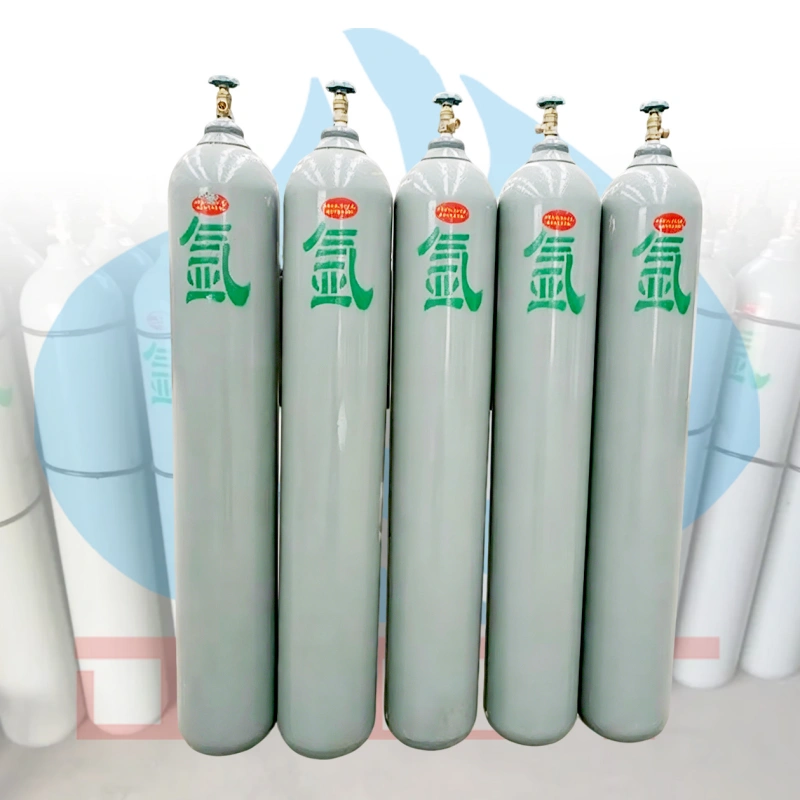
So, there you have it – the main design considerations for CNG equipment. Safety, performance, compatibility, durability, cost – effectiveness, regulatory compliance, and environmental impact are all important factors that we need to take into account when designing CNG equipment.
Gas Plant If you’re in the market for CNG equipment, whether it’s for a vehicle fleet or a stationary application, I’d love to have a chat with you. We can discuss your specific needs and see how our CNG equipment can meet them. Feel free to reach out to me to start the procurement discussion.
References
- National Fire Protection Association (NFPA) standards for CNG systems
- Department of Transportation (DOT) regulations for CNG cylinders
- Society of Automotive Engineers (SAE) standards related to CNG equipment
Xinxiang Jincheng Technology Co., Ltd.
As one of the most professional CNG equipment manufacturers in China, we’re featured by quality products and good service. Please rest assured to buy customized CNG equipment made in China here from our factory. For pricelist, contact us now.
Address: Industrial Park, Fengquan District, Xinxiang City, Henan Province, China
E-mail: cncd05@cryocontainer.com
WebSite: https://www.jinchengspecialgas.com/
