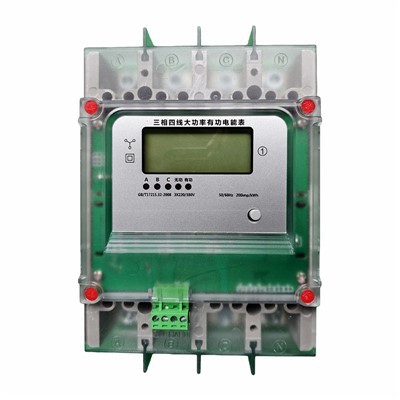
A multi-function meter is an indispensable tool in the field of electrical measurement, offering a wide range of capabilities to meet diverse industrial and commercial needs. As a supplier of multi-function meters, I am excited to share with you the various electrical parameters that these devices can measure. Multi Function Meter
1. Voltage
Voltage is one of the most fundamental electrical parameters, representing the potential difference between two points in an electrical circuit. Multi-function meters can measure both AC (alternating current) and DC (direct current) voltages with high precision.
AC Voltage Measurement
In AC circuits, the voltage varies sinusoidally over time. A multi-function meter can accurately measure the RMS (root mean square) value of the AC voltage, which is equivalent to the DC voltage that would produce the same amount of power in a resistive load. This measurement is crucial for ensuring the proper operation of electrical equipment, as most electrical devices are designed to operate within a specific voltage range.
For example, in a typical household electrical system, the standard AC voltage is 120V or 240V, depending on the country. A multi-function meter can be used to verify that the voltage supplied to the electrical outlets is within the acceptable range, preventing potential damage to appliances and electronics.
DC Voltage Measurement
DC voltage is a constant voltage that does not change direction over time. Multi-function meters can measure DC voltages in a variety of applications, such as battery-powered devices, solar panels, and automotive electrical systems.
In a solar power system, for instance, a multi-function meter can be used to measure the DC voltage output of the solar panels. This information is essential for monitoring the performance of the solar panels and ensuring that they are generating the expected amount of power.
2. Current
Current is the flow of electric charge in a circuit. Multi-function meters can measure both AC and DC currents, providing valuable information about the electrical load and the efficiency of the electrical system.
AC Current Measurement
In AC circuits, the current also varies sinusoidally over time. A multi-function meter can measure the RMS value of the AC current, which is used to calculate the power consumption of the electrical load.
For industrial applications, multi-function meters can be used to monitor the current draw of large electrical motors, pumps, and other equipment. By measuring the current, operators can detect any abnormal changes in the load and take appropriate action to prevent equipment failure.
DC Current Measurement
DC current measurement is important in applications such as battery charging, power supplies, and electronic circuits. A multi-function meter can measure the DC current flowing through a circuit, allowing users to monitor the power consumption and ensure the proper operation of the device.
In a battery charging system, for example, a multi-function meter can be used to measure the charging current to ensure that the battery is being charged at the correct rate. This helps to prevent overcharging, which can damage the battery and reduce its lifespan.
3. Power
Power is the rate at which electrical energy is consumed or produced. Multi-function meters can measure both real power (P), reactive power (Q), and apparent power (S) in an electrical circuit.
Real Power (P)
Real power is the actual power consumed by the electrical load and is measured in watts (W). It represents the useful work done by the electrical energy, such as heating, lighting, or mechanical work.
A multi-function meter can calculate the real power by multiplying the voltage, current, and the power factor (PF) of the circuit. The power factor is a measure of how efficiently the electrical energy is being used and ranges from 0 to 1. A power factor of 1 indicates that all the electrical energy is being used effectively, while a power factor less than 1 indicates that some of the energy is being wasted.
Reactive Power (Q)
Reactive power is the power that is stored and released by inductive and capacitive elements in an electrical circuit. It is measured in volt-amperes reactive (VAR) and does not contribute to the useful work done by the electrical energy.
Reactive power is necessary for the operation of inductive loads, such as motors and transformers, but it can also cause problems in the electrical system, such as voltage drops and increased energy losses. A multi-function meter can measure the reactive power and help users to manage the power factor of the circuit.
Apparent Power (S)
Apparent power is the total power in an electrical circuit, including both real and reactive power. It is measured in volt-amperes (VA) and represents the total amount of electrical energy that is being supplied to the load.
The relationship between real power, reactive power, and apparent power can be expressed by the power triangle, where the hypotenuse represents the apparent power, the adjacent side represents the real power, and the opposite side represents the reactive power.
4. Energy
Energy is the total amount of electrical power consumed over a period of time. Multi-function meters can measure both active energy (kWh) and reactive energy (kVARh) in an electrical circuit.
Active Energy (kWh)
Active energy is the actual energy consumed by the electrical load and is measured in kilowatt-hours (kWh). It is the most commonly used unit for measuring electrical energy consumption in residential and commercial applications.
A multi-function meter can record the active energy consumption over a specific period of time, allowing users to monitor their energy usage and identify areas where energy savings can be made. This information is also used by utility companies to calculate the electricity bill.
Reactive Energy (kVARh)
Reactive energy is the energy that is stored and released by inductive and capacitive elements in an electrical circuit. It is measured in kilovolt-ampere reactive hours (kVARh) and is used to calculate the power factor of the circuit.
Some utility companies may charge customers for reactive energy consumption, especially if the power factor of the electrical system is low. A multi-function meter can measure the reactive energy consumption and help users to manage their power factor and reduce their electricity bill.
5. Frequency
Frequency is the number of cycles per second of an AC electrical signal. In most countries, the standard frequency of the electrical power grid is 50 Hz or 60 Hz.
A multi-function meter can measure the frequency of the AC electrical signal, providing valuable information about the stability of the electrical system. Any significant deviation from the standard frequency can indicate a problem in the power grid or in the electrical equipment.
6. Power Factor
Power factor is a measure of how efficiently the electrical energy is being used in an electrical circuit. It is defined as the ratio of the real power to the apparent power and ranges from 0 to 1.
A power factor of 1 indicates that all the electrical energy is being used effectively, while a power factor less than 1 indicates that some of the energy is being wasted. A low power factor can result in increased energy losses, higher electricity bills, and reduced equipment lifespan.
A multi-function meter can measure the power factor of an electrical circuit and provide users with information on how to improve it. This can be achieved by using power factor correction devices, such as capacitors, to reduce the reactive power and increase the power factor.
7. Harmonics
Harmonics are unwanted frequencies that are present in an electrical system. They are caused by non-linear loads, such as electronic devices, variable speed drives, and fluorescent lighting.
Harmonics can cause a variety of problems in the electrical system, such as overheating of equipment, interference with communication systems, and increased energy losses. A multi-function meter can measure the harmonic content of the electrical signal and provide users with information on the level of harmonics present in the system.
By monitoring the harmonic content, users can take appropriate action to reduce the harmonics and improve the performance of the electrical system. This can be achieved by using harmonic filters, which are designed to remove the unwanted frequencies from the electrical signal.
Conclusion
As a supplier of multi-function meters, I understand the importance of accurate and reliable electrical measurement. Our multi-function meters are designed to measure a wide range of electrical parameters, including voltage, current, power, energy, frequency, power factor, and harmonics.
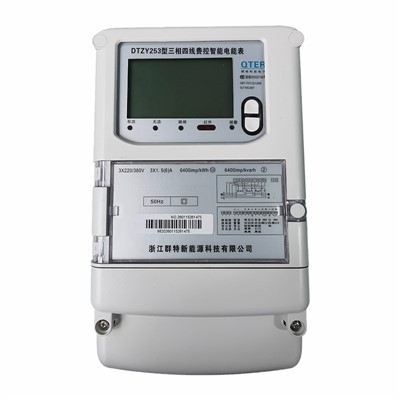
By using our multi-function meters, you can monitor the performance of your electrical system, identify potential problems, and take appropriate action to improve the efficiency and reliability of your electrical equipment. Whether you are a residential, commercial, or industrial customer, our multi-function meters can provide you with the information you need to make informed decisions about your electrical system.
DIN Rail Energy Meter If you are interested in learning more about our multi-function meters or would like to discuss your specific requirements, please contact us. Our team of experts is ready to assist you and provide you with the best solutions for your electrical measurement needs.
References
- Electrical Engineering Handbook, edited by Richard C. Dorf
- Power System Analysis and Design, by J. Duncan Glover, Mulukutla S. Sarma, and Thomas J. Overbye
- Electrical Power Systems Quality, by Roger C. Dugan, Mark F. McGranaghan, and Surya Santoso
Zhejiang Qunte New Energy Technology Co., Ltd.
As one of the most professional multi function meter manufacturers in China, we’re featured by quality products and good price. Please rest assured to buy discount multi function meter made in China here from our factory. We also accept customized orders.
Address: No. 56, Fengxi Road, Tang’ao Yu Village, Liushi Town, Yueqing City, Wenzhou City, Zhejiang Province
E-mail: 251951196@qq.com
WebSite: https://www.zjqtmeter.com/
